Introduction to Peruvian products
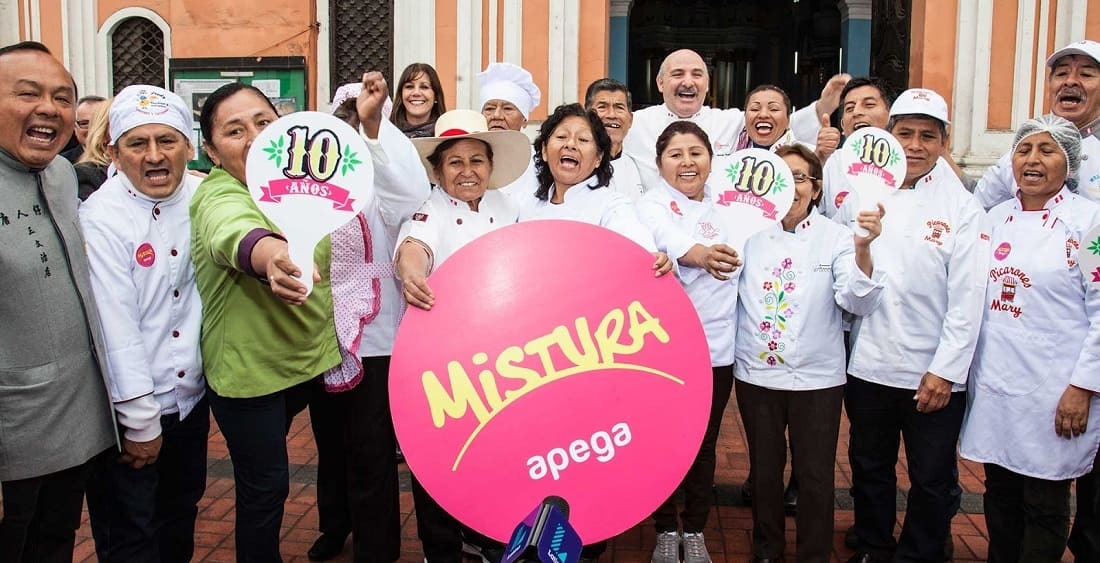
This Peruvian and international gastronomy fair is held annually in Lima every first half of September and is one of the most fascinating pantries in South America.
This wealth is due to the hand of the Peruvian man as well as to the immense amount of products that Peruvian soils offer us, thanks to its ecological diversity by the Andes mountain range that allow Peru to have 85 types of geography and with this that it has the same number of climates.
Organized by the Peruvian Society of Gastronomy (Apega), a civil and non-profit association that was founded by the renowned Peruvian chef Gastón Acurio. It is recognized as the most important food festival in Latin America.

Peruvian cuisine
Peruvian food has had a great history over the years. Every time recipes and flavors from different parts of the world have been compiled, in order to have the particular Peruvian food.
Peruvian gastronomy was recognized as 'Cultural Heritage of the Americas for the world' thanks to the 'Organization of the USA'. It is one of the most important foods in the world and a great example of fusion cuisine.
Peruvian food has become very fashionable in Europe in recent times, especially in countries like Spain. Peruvian food has a lot of history and miscegenation, also full of traditions and customs.
Peruvian cuisine is the one with the most typical dishes in the world. Only the coast has registered around 2,500 different types of soups and 250 desserts. Peru is also known for having the largest amount of potatoes in the world, with more than 3 thousand types of potatoes. Lima is recognized as the gastronomic capital of America.
To add even more prestige to the gastronomy of this country, Peru would have won five times the first place in The World's 50 Best Restaurants in Latin America list, with the 'Central' Restaurant, in 2014, 2015, 2016, 2021 and 2022. La Central was also positioned as the 4th best restaurant in the world in 2021 and 2nd in 2022.
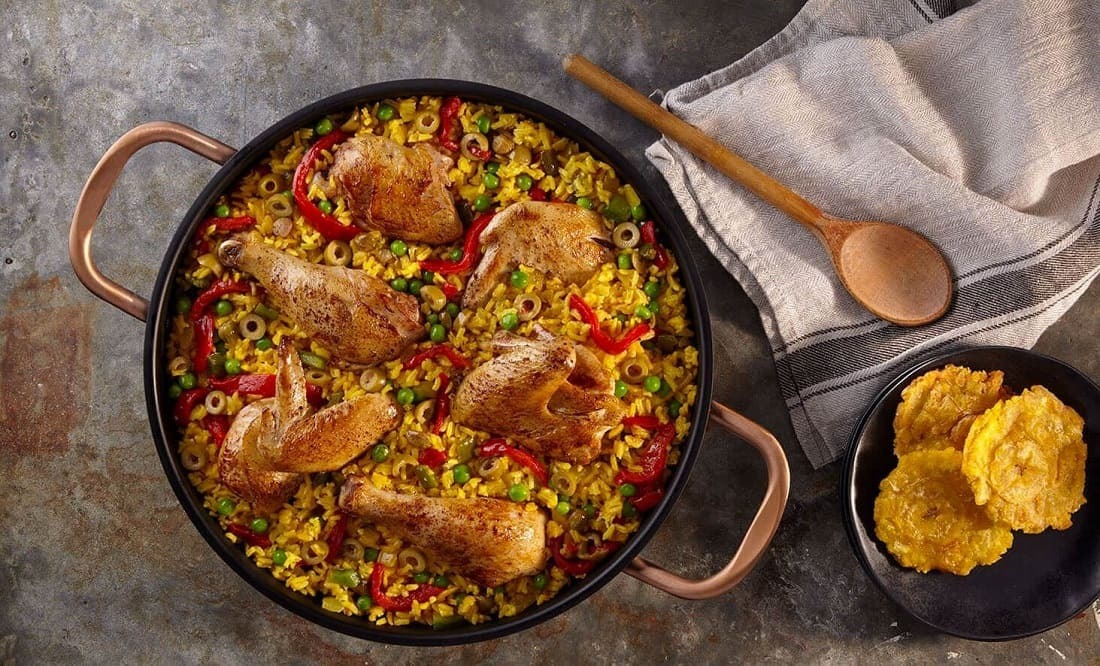
Arroz con pollo
Curiosities of Mistura
- Mistura means 'mixture'.
- The entrance to this great gastronomic fair is paid and depending on the day, it can cost between 15 and 25 soles (between 5 and 8 dollars).
- You have to buy tickets or tickets to be able to taste the food at each stall.
- Inside the fair, you will find a wide variety of food tents.
- You can also buy different types of typical products from the regions of Peru within the fair market.
- It originates from the year 2007 in Lima, Peru.
- Mistura is the largest and most recognized gastronomic fair in all of Latin America. It is a fair organized by the Peruvian Society of Gastronomy (APEGA).
Food classification in Mistura
Mistura has organized the food that is exhibited into various 'Worlds'. Each tent represents a 'World' with a specific gastronomic proposal from each region. They are classified in:
- Embers and anticuchos
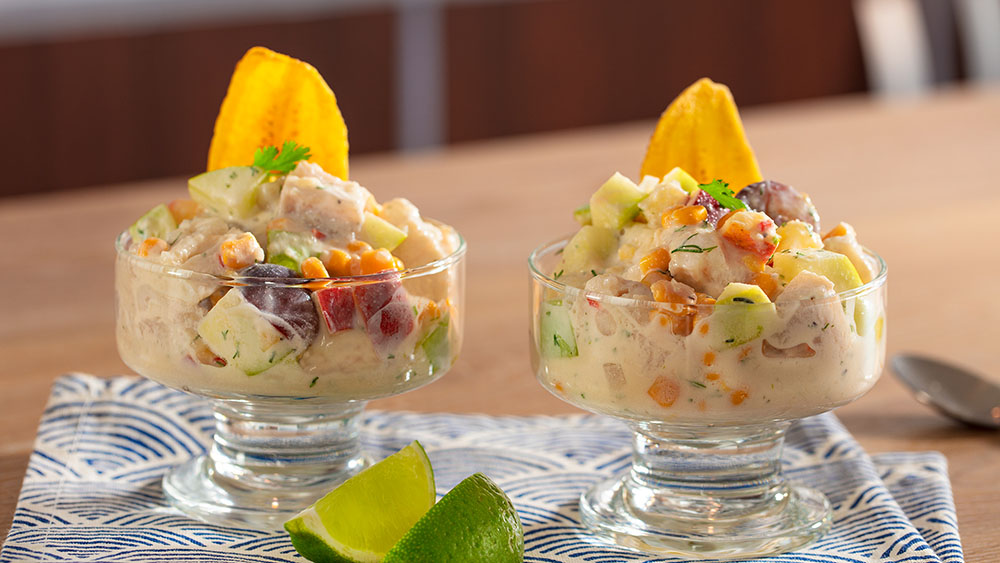
- Ceviches
- Chifa y Nikkei
- Andean and Amazonian
- Sweet
- Sandwiches
- Wheelbarrows
- Pubs
- Pisco & Wine
- Brewer
With this example you can realize that the Mistura fair is huge and of course you can find places where you can sit comfortably to taste these exquisite dishes.
Among the most famous drinks you can find the Pisco sour and the chilcano. At the end of the entire fair you can find the beer point, where you can find the best beers in Peru, it is at this point where music groups perform daily to further enliven the gastronomic fair.