Pachamama is Mother Earth—the goddess who embodies nature, fertility, abundance, and life. Andean peoples honour her and give thanks for everything she provides, especially in August when Pachamama Day is celebrated.

Pachamama is among the oldest and most revered deities in South America. Her worship traces back to pre-Inca civilisations such as the Aymara, Quechua, Diaguita, and Atacameño peoples. Her name comes from Quechua and means “universal mother.” Pachamama is the source of all life and the protector of living beings. She keeps balance between sky and earth, masculine and feminine, human and divine.
Who is Pachamama in Andean culture?
Pachamama is a central, sacred figure in the Andean worldview. For these communities she embodies Mother Earth—the planet as a living, conscious being who nurtures, shelters, and sustains everything that dwells on her. She is revered as a feminine deity symbolising fertility, generosity, abundance, and humanity’s spiritual bond with nature.
She is honoured through ceremonies and rituals such as pago a la tierra (“payment to the Earth”) and offerings of food and drink. These practices seek harmony between people and nature and express gratitude for the resources that sustain each community.
 Pachamama in the Andean worldview
Pachamama is also tied to spirituality and the Andean cosmovision—the belief that every living being and element of nature is interconnected within one cosmic whole. That bond with Pachamama anchors cultural identity and belonging for Andean communities, who cherish their relationship with the land and ancestral traditions.
The legend of Pachamama’s origin
Legend says that long ago, before the world looked as it does today, there was only darkness and emptiness. From that void emerged the mighty deity Viracocha, regarded as the creator of all things.
 Representation of the god Viracocha
Viracocha decided to bring the world to life, so he fashioned the sun, the moon, and the stars. He then sculpted human beings and granted them intelligence and wisdom. Yet something essential was still missing for life on Earth to flourish: Pachamama, Mother Earth.
To create her, Viracocha took a handful of clay and, with divine hands, shaped a goddess in feminine form representing the Earth in all its generosity and splendour. When she was finished he placed her at the centre of the world and named her Pachamama—“Mother Earth” in Quechua.
Since then Pachamama has been the protector and provider of everything that exists on Earth—the mother who feeds us with her fruits and welcomes us into her embrace.
 Representation of “Pachamama – Mother Earth”
This legend reflects the deep respect Andean peoples hold for Mother Nature. It expresses a spiritual connection to the land and the understanding that we belong to an interdependent whole in which every living being plays a vital role in cosmic balance and harmony.
When and how is Pachamama Day celebrated?
Pachamama Day is observed on 1 August in several South American countries, including Argentina, Bolivia, Chile, Ecuador, and Peru. The date marks the Andean New Year and a time when the Earth is especially fertile. Communities renew their bond with Mother Earth, ask permission to continue living in harmony, and offer gifts—food, drink, flowers, coca leaves, tobacco, and more. It is also a moment to release negative energy, purify body and spirit, and receive Pachamama’s blessings for the new cycle.
 Offerings to Pachamama
In Peru celebrations vary by region and community but generally include rituals and ceremonies held at sacred sites—mountain passes, high lakes, or springs. People bring offerings such as coca leaves, flowers, fruit, grains, sweets, and occasionally animals, symbolising gratitude for the gifts of the land.
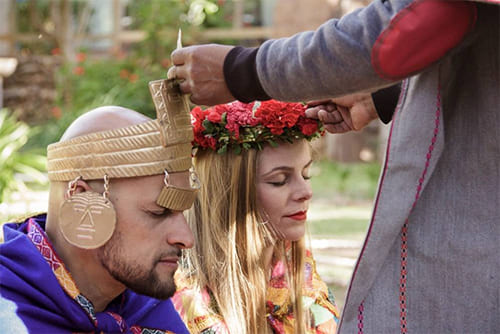
During the ceremony offerings may be burned or buried, aromatic herbs are smoked to cleanse the space, and prayers or songs are offered in Quechua or other native languages. Andean shamans or spiritual leaders—often called paqos or amautas—lead the ritual as intermediaries between the community and Pachamama.
 Paqo performing a payment-to-the-Earth ritual
Pachamama Day showcases the profound connection Andean cultures maintain with nature and a worldview that regards the Earth as sacred and alive. It is a time for reflection, gratitude, and harmony with Mother Nature and a renewed commitment to care for the environment around us.
It is also a way to preserve and revalue Andean culture, which has faced centuries of marginalisation, and to affirm Indigenous peoples’ rights to land, resources, and identity. Pachamama stands as a symbol of resilience, dignity, and hope for Andean communities still striving for recognition and self-determination.
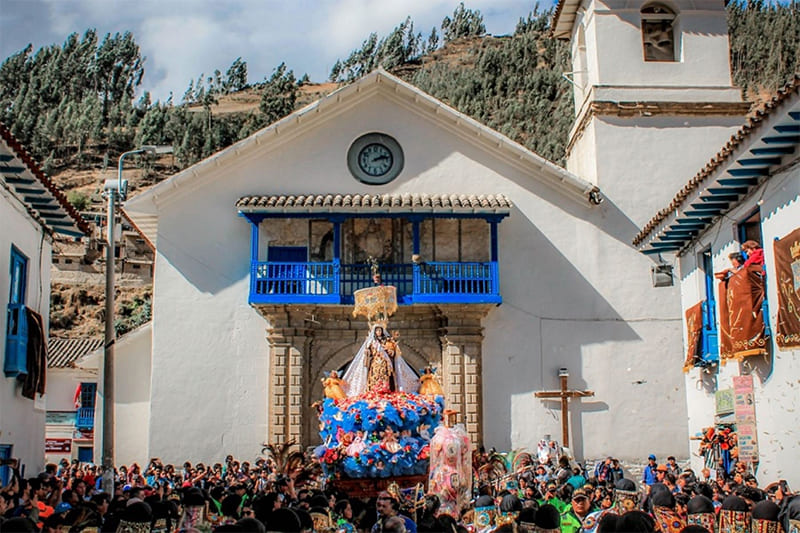
 Connection between Andean culture and Mother Earth
What is the “payment to the Earth”?
The pago a la tierra—the offering or “payment” to Pachamama—is an ancestral ceremony of reciprocity and gratitude toward Mother Earth. It is especially important in August during Pachamama Day.
 Payment or offering to the Earth
The ritual is usually led by an Andean spiritual leader who acts as intermediary between people and Pachamama. Offerings may include coca leaves, flowers, fruit, grains, sweets, coins, and other symbolic objects representing gratitude for everything the land provides.
The leader recites prayers and ceremonial songs to connect with the spirits of nature and express reverence for Pachamama. The offering is often burned in sacred fire; the rising smoke is understood as a bridge between the physical and spiritual worlds.
 Offerings during the payment to the Earth
The purpose is to maintain balance and harmony between human beings and nature and to renew the reciprocal bond between the community and Pachamama. Participants believe the offering invites Mother Earth’s blessing and protection and helps ensure good harvests and prosperity.
Many families hold the ceremony on 1 August to welcome the month of Pachamama, but it can take place on other days in August—or whenever protection or a fresh start is sought, such as opening a new business.

Pachamama invites each of us to reflect on our relationship with the planet we share. She reminds us that we belong to a greater whole that deserves care and respect. Nature is not something external to us—she is our mother, our home, and the source of life. Her teachings can help us respond to today’s challenges: climate change, ecological crisis, and social injustice.
We hope you enjoyed learning about Pachamama’s meaning in Andean culture and how she is celebrated. Thank you for reading—see you next time!