Hello everyone! Today we’re sharing everything you need to know about the Virgin of Carmen festival in Paucartambo—one of Peru’s most traditional and colourful celebrations. Want to know what happens, when it happens, and why it matters? Keep reading!

Meet this extraordinary festival
The Virgin of Carmen festival is a religious and cultural celebration held every year in the town of Paucartambo, in the Cusco region. It begins on 15 July and ends on 19 July. During those days the village welcomes thousands of visitors who come to take in the spectacle—music, processions, dances, and fireworks that express both local devotion and visitors’ gratitude. The image of the Virgin is carried through the streets on a litter, accompanied by brass bands and troupes that portray chapters of Peruvian history: the qolla, chuncho, doctor, saqra, negrillo, aucca, misti, qoyacha groups, and many more. Each troupe has its own costume, mask, choreography, and melody, giving the festival a truly unique character.
 Dancers during the festival
What happens during the festival?
-
DANCES AND VISUAL SPECTACLES:
One of the festival’s hallmarks is the dances performed in honour of the Virgin. There are more than a dozen distinct dances, each with its own wardrobe, music, and story. Among the best known are the Qhapaq Qolla, Qhapaq Negro, Qhapaq Chuncho, Saqra, Waca Waca, Contradanza, and Doctorcitos. These dances represent different social, ethnic, and cultural groups that coexist in Peru and come together to venerate the Virgin.
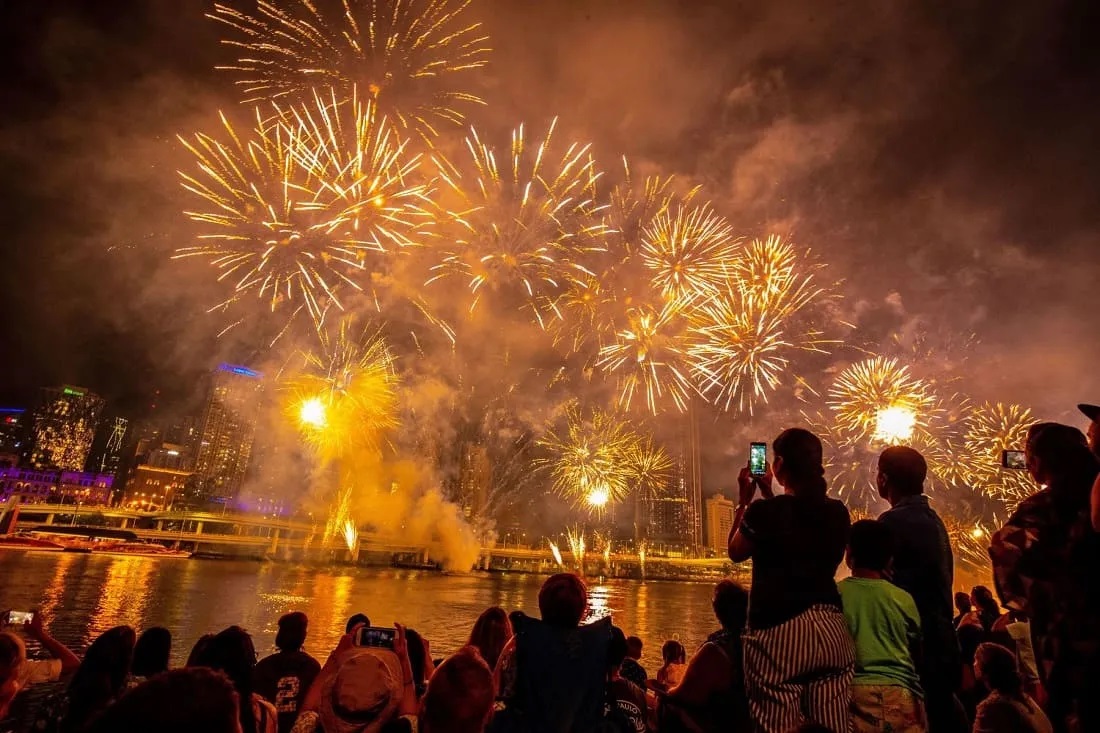
There is also a fireworks display—a burst of light and colour that lights up the night sky. The fireworks seem to move in time with the traditional music, creating an unforgettable audio-visual experience. It is a magical moment that wraps onlookers in wonder and emotion and adds an almost ethereal touch to this ancestral celebration.
 Part of the fireworks display
Colourful stage performances known locally as “retablos” also take place. These shows tell local stories and legends using traditional puppets and figures—an engaging way to preserve culture and pass down ancestral knowledge.
 Traditional street performances
PROCESSION AND THE SUNRISE AT TRES CRUCES:
Another highlight is the procession of the Virgin through the village streets. Her image leaves the church on 16 July and travels through the main squares and streets, accompanied by thousands of faithful singing hymns and asking for favours. The procession concludes on 18 July at the cemetery, where the Virgin blesses the departed and consoles their families.
Finally, on 19 July comes the festival’s most moving and spectacular moment: sunrise at Tres Cruces, a viewpoint more than 3,700 metres above sea level where you can watch dawn break over the cloud forest. The Virgin is taken there in a flower-decked truck, followed by dancers and devotees. At daybreak an optical phenomenon sometimes called the “four-faced sun” appears—four images of the sun reflected in the clouds. It is a magical, sacred moment that symbolises divine presence and the renewal of life.
 Procession through the streets
 Sunrise at the “Tres Cruces” viewpoint
What is the origin of the Virgin of Carmen?
The Virgin of Carmen is the patroness of Paucartambo and of mestizo communities across Peru. Did you know her image arrived in Peru in the sixteenth century with the Spanish, along with two other Marian figures—the Virgin of Candelaria and the Virgin of La Legua? Or that several legends explain how devotion began in Paucartambo? Or that she was crowned by Pope John Paul II in 1985? This Virgin carries deep history and tradition: countless miracles are attributed to her and she is believed to protect her devotees. The festival is both a thank-you and a tribute, as well as an expression of regional identity and cultural diversity.
 Mamacha del Carmen
How did the Virgin reach Paucartambo? There are several versions. One says the Spanish crown sent two Marian images to the corregimientos of Paucartambo and Paucarqolla, but they were swapped by mistake, leaving the larger, more beautiful statue in Paucartambo—triggering disputes mirrored in the qhapaq qolla dance. Another tale tells of highland traders (qolla) who found the Virgin’s head among their cargo and had a woman commission the body; ever since, the qolla communities honour their patroness. A third story speaks of Afro-Peruvian miners who brought the image from the coast and venerated her in secret until a hacienda owner became a devotee and built a chapel.
The festival’s standout dances
Love folk dancing? Then you cannot miss the Virgin of Carmen festival in Paucartambo. Here is what you should know about the dances—where they come from, what they mean, and why they captivate audiences. There are more than twenty troupes, each with its own wardrobe, music, and choreography. Among the most iconic are:
- Qhapaq Qolla:
They traditionally open the parade. They represent traders who came from the altiplano to barter with Paucartambo families. Their outfits are impossible to miss—feathered hats, multicoloured ponchos, and exaggerated masks.
 Qhapaq Qolla dancers
- Qhapaq Chuncho:
They embody jungle warriors who defended their territory from Spanish invaders. Their costumes feature feather crowns, seed necklaces, leaf skirts, and body paint. The choreography is agile and dynamic, full of leaps and spins.
 Qhapaq Chuncho dancers
- Qhapaq Negro:
They represent African people brought to Peru during colonisation. Their dress is simple—white shirts, black trousers, straw hats—and the dance is syncopated, joyful, and full of footwork.
 Qhapaq Negro dancers
- Saqras:
They portray demons who tempted the faithful during the celebration. Saqra means “demon” in Quechua. Their outfits are wild—grotesque masks, horns, fangs, and long tongues—and the dance is mischievous, full of jokes that make the crowd laugh.
 Saqra dancers
These are only a few of the dances you will see at the Virgin of Carmen festival in Paucartambo. Many more exist—Majeño, Waca Waca, Contradanza, Chunchachas, Doctorcitos, Antis, and others—each with special meaning, storytelling power, and tremendous artistic value that reflects Paucartambo’s richness and diversity.
 Dancers celebrating together
Tips for enjoying the festival
Here are some practical suggestions so you can make the most of the celebration:
- Book transport and lodging well ahead.
Paucartambo is a small town with limited tourism infrastructure, so secure accommodation and travel plans early—the sooner you book, the more options you will have.
You can take a bus from Cusco (about four hours) or join a tour that includes transport and lodging.
- Consider alternative lodging:
Beyond hotels, look at hostels, guesthouses, or vacation rentals. They can be more affordable and sometimes still have space when hotels are full.
- Pack warm, comfortable clothing:
Paucartambo sits at more than 3,000 metres above sea level, so nights can be cold. You will also walk a lot between events—wear sturdy shoes and carry a small backpack with essentials.
- Taste the local food:
Paucartambo offers delicious regional dishes during the festival—chiriuchu, oven-roasted guinea pig, chicken soup, corn with cheese, purple corn pudding (“api”), and more. Try traditional drinks such as punch, coca tea, and chicha morada.
- Join the activities:
Attend Masses, processions, dance entrances, typical costume contests, and fireworks. Parades are central to the experience—if you can, walk alongside the dancers through Paucartambo’s streets. It is unforgettable!
- Respect local customs:
Show respect for traditions and beliefs. Remember you are witnessing a sacred celebration for the community—be considerate at all times.
- Bring your camera:
The festival delivers colourful, tradition-rich scenes. Capture them with a camera or smartphone so you can relive the memories.
Always follow organisers’ guidance, stay respectful, and soak up one of Peru’s great cultural heritage experiences. May Our Lady of Mount Carmel be praised!
 The Virgin meets the “Saqras”
Fun facts about the festival
- The sheer number of dances and dancers has earned Paucartambo the nickname “the folklore capital of Cusco—and of Peru.”
- Children of dancers aged four to six are called “Mascotas” and may join the dances. To compete formally in one of the nineteen troupes they must wait until they turn seventeen.
- The first Qhapaq Negro dancers performed bare-faced to show their dark skin; later more dancers joined with painted faces; today they wear black masks.
- Masks represent mythic or religious characters and are believed to protect dancers from harmful spirits.
The Virgin of Carmen festival in Paucartambo is a unique blend of tradition, music, colour, and devotion—a chance to immerse yourself in Andean culture and witness fervent religious celebration. Discover the dances, the music, the masks, and the devotion that fill every corner of this ancient town. Come experience a festival that has captivated generations; Our Lady of Carmen awaits you with joy, faith, and culture you will carry with you forever!